Government to cut public electric vehicle charging costs from spring 2027
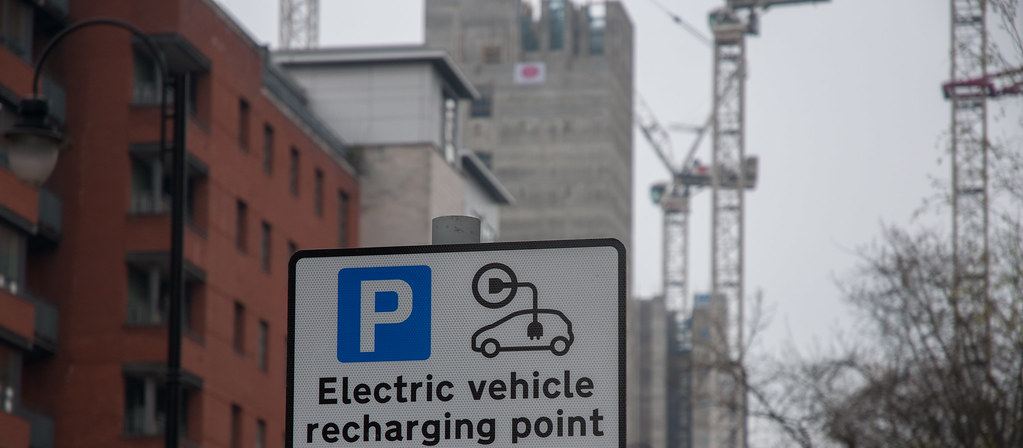
New government funding aims to reduce costs for drivers who rely on lower-powered public electric vehicle chargers near their homes.
Key points
- Drivers using lower-powered public chargers will see costs reduced from spring 2027.
- The government is committing £100 million over two years to lower charging prices.
- Planning permission is no longer required to install home cross-pavement chargers, potentially saving users money.
The government has announced a new initiative to lower the cost of public electric vehicle (EV) charging. The funding is intended to assist motorists who lack access to off-street parking and rely on lower-powered chargers found on residential streets.
This measure forms part of the government's wider commitment to the transition to electric vehicles. The cost-cutting scheme is scheduled to begin in the spring of 2027.
Details of the charging support
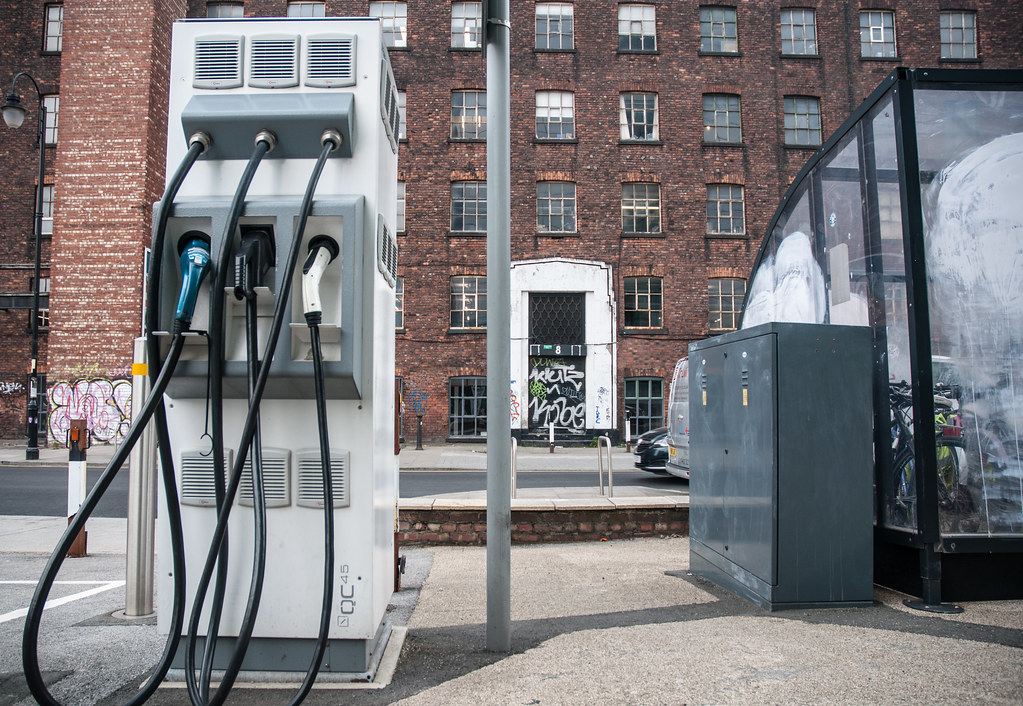
The government will provide £100 million over two years to help lower prices at local, lower-powered public charge points. These chargers, which make up roughly one-third of the current network, are often used for overnight or long-duration charging. Officials state this will save drivers who rely on these specific chargers an average of £150 each year.
Future charging improvements
Beyond the price cuts, a new taskforce led by industry experts will explore the possibility of "tariff porting". This would aim to allow motorists to use their cheaper home energy tariffs when using certain public chargers. Additionally, recent changes allow residents to install cross-pavement chargers without planning permission, which the government says can help drivers charge at home for a lower cost per mile.
What it means for you
- Drivers of electric vehicles will not see immediate changes to public charging costs as the new funding does not start until spring 2027.
- Those without off-street parking may now find it cheaper or easier to install their own cross-pavement charging solutions following recent planning rule changes.
- The government intends to provide more information regarding the future tariff porting system in due course.
Sources
This story is taken from the announcement below. Read it for the full detail.
- GOV.UK: Cutting electric vehicle charging costs (28 Oct)
Spotted a mistake? Email us. This story is based on the reports above and its facts were checked against them; it is not financial advice.