Plug-in solar panels arrive in UK shops - what households need to know
New plug-in solar kits are now available, offering a way for households to generate electricity at home without needing professional installation.
Key points
- Plug-in solar kits can now be legally used in Great Britain, allowing households to generate power by plugging panels directly into a wall socket.
- The kits, which are intended for balconies or outdoor spaces, can save households between £40 and £110 on annual energy bills, according to various reports.
- Before purchasing, households should check for required permissions from landlords or freeholders and verify that the product is on the Energy Networks Association register.

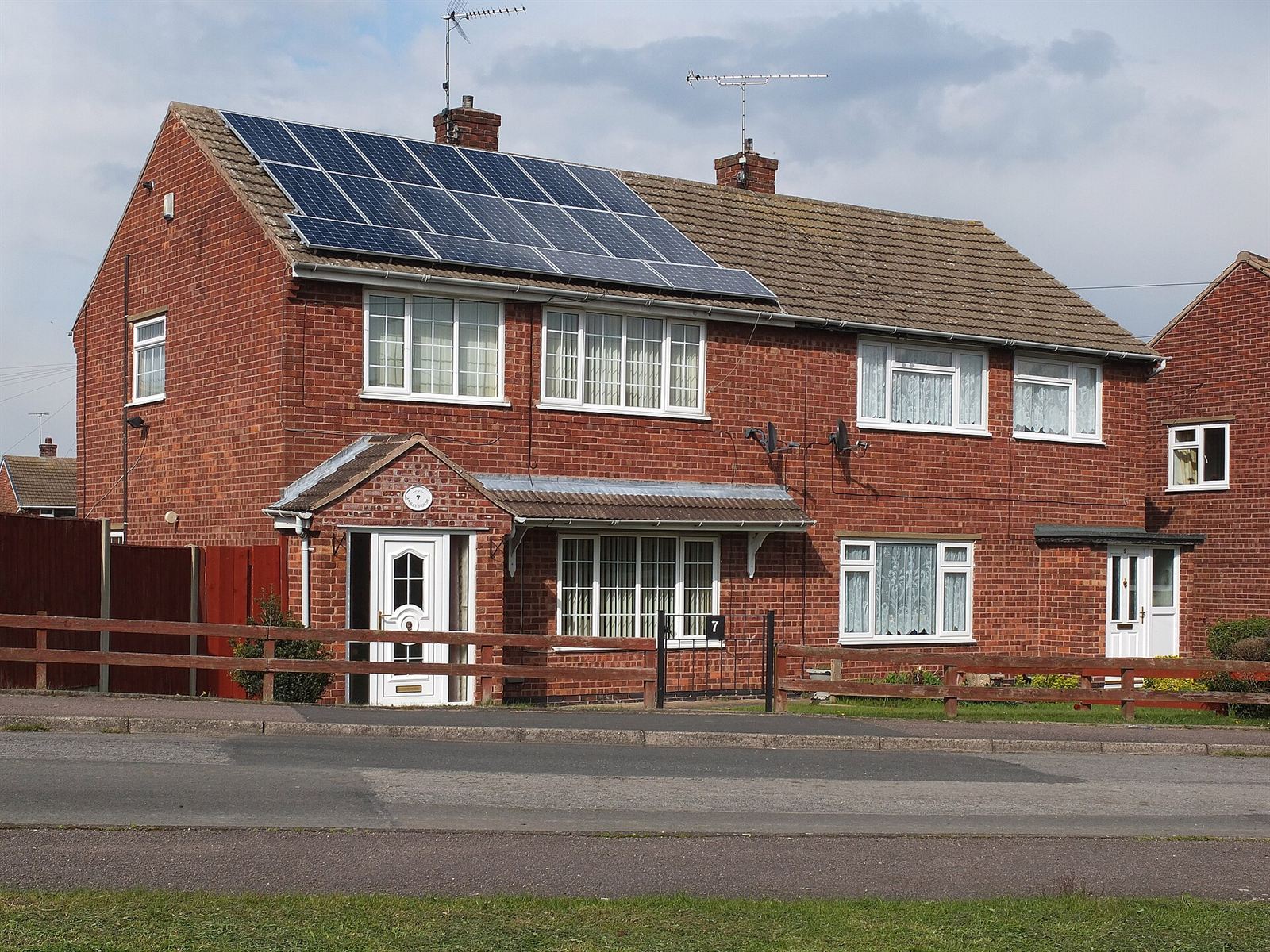
From 27 August 2026, households in Great Britain can legally purchase and use plug-in solar panels. These kits, which do not require professional installation, are designed to be mounted on balconies, garden walls or sheds.
The government updated wiring regulations to permit these devices, which produce up to 800 watts of power. Retailers including Amazon, Argos, B&Q, Currys, Lidl, and Wickes are expected to stock the equipment.
Safety and installation
These kits include a microinverter that converts energy for household use and shuts down automatically if the power is cut. While professional installation is not required, experts advise that some homes may need a check by an electrician to ensure existing wiring is compatible.
Safety guidance warns against using extension leads or multiway adaptors to connect the panels, as these can overheat. Households are restricted to one plug-in device per property and must notify their local electricity distribution network operator within 28 days of installation.
How the systems work
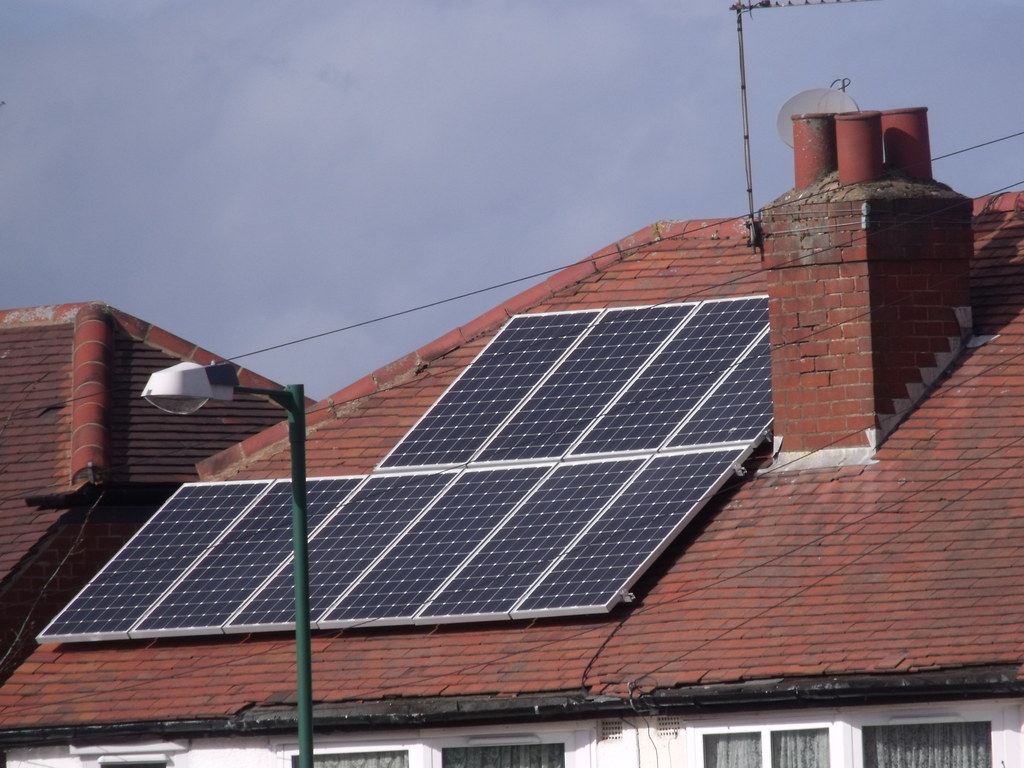
Plug-in solar works by powering appliances like fridges or laptops while the sun is shining. Because the electricity is used in real-time, it is most effective when someone is home during the day. Any excess power generated flows back into the grid, though households are unlikely to receive payments for this.
Households must obtain necessary permissions before installing the panels, which may include approval from landlords, freeholders, or local planning authorities, particularly if living in listed buildings.
What it means for you
- Check the Energy Networks Association public register to ensure your chosen solar kit is compliant before buying.
- Ensure you have permission from your landlord, building owner or council before mounting the panels.
- Avoid using extension leads or multi-plug adaptors, as these create fire risks when connecting solar kits.
- Notify your distribution network operator within 28 days of setting up your equipment.
Where the reports differ: Sources offer varying estimates for potential annual savings, with the government citing £70–£110, while the Renewable Energy Association suggests a range of £40–£110.
Sources
We compared these reports before writing and checked every figure, date and name in this story against them. Read them for the full detail.
- GOV.UK (Department for Energy Security and Net Zero): Households can save as plug-in solar panels come to market (26 Aug)
- OVO: Plug-in solar becomes legal today (27 Aug)
- The Guardian: Plug-in solar: could a low-cost panel cut your bills? (22 Aug)
- BBC News: Plug-in solar panels are coming to a shop near you - what to know (27 Aug)
Spotted a mistake? Email [email protected]. This story is based on the reports above and its facts were checked against them; it is not financial advice.