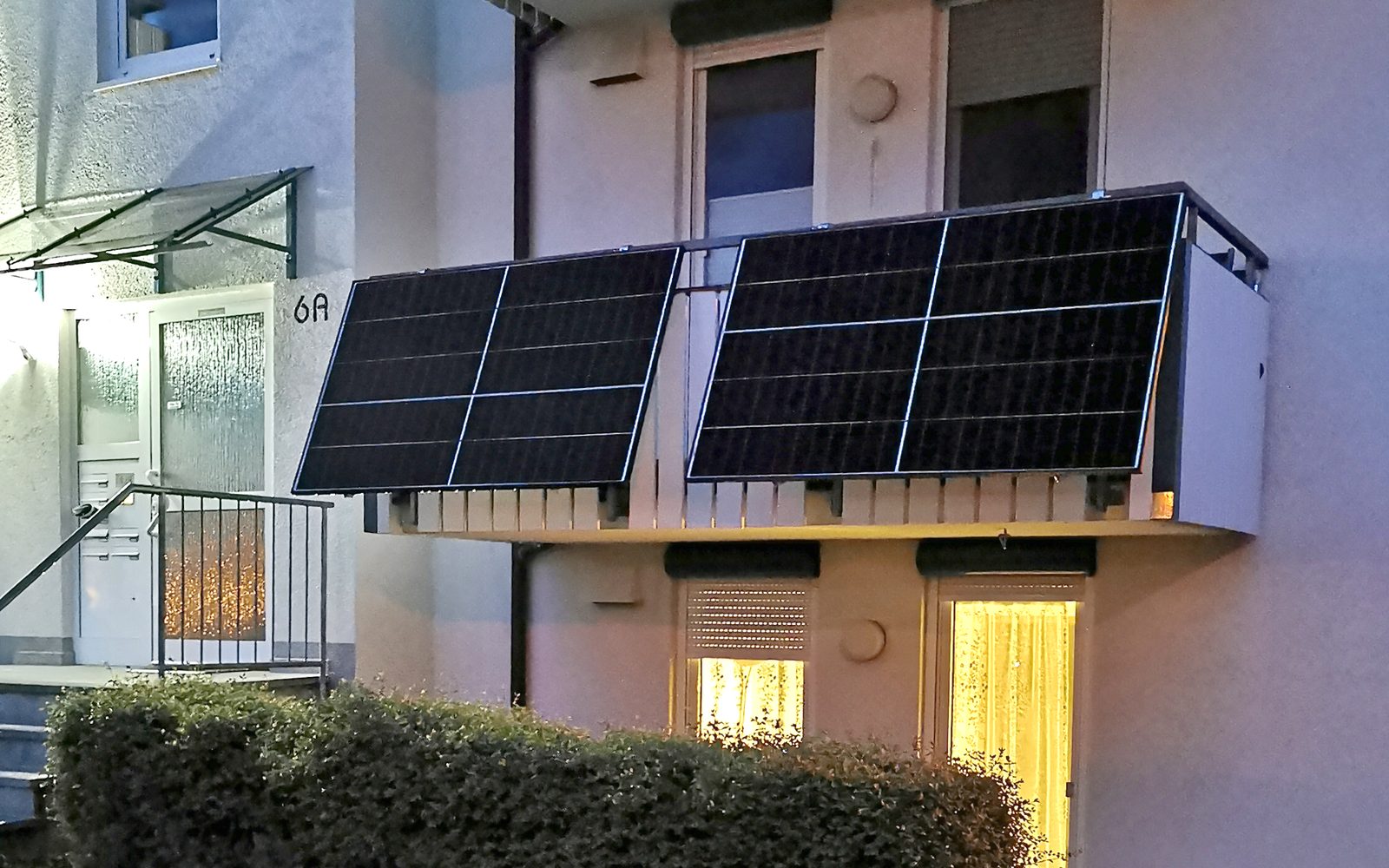
Record number of solar panels installed on British roofs in 2026 - here is what to know
More homes and businesses have installed solar panels this year than ever before, helping to lower energy costs by generating electricity on-site.
Key points
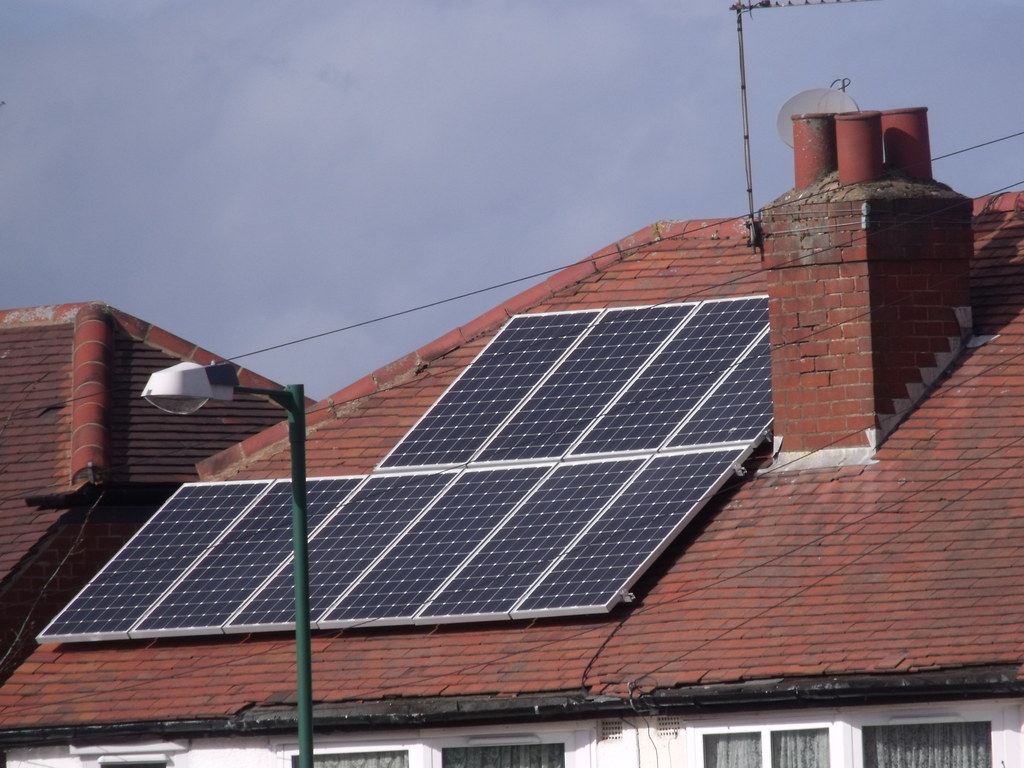
- Over 270,000 solar installations have been completed in Britain during 2026, marking the highest annual total on record.
- The surge in rooftop solar includes homes, shops, community centres, and large venues like sports stadiums.
- Generating electricity on-site allows households and businesses to buy less power from the grid, which can lead to lower energy bills.
New data from MCS shows that 2026 has become the busiest year for solar panel installations in British history. With over 270,000 systems fitted across the country, this represents a new record for the UK with over a month of the year still remaining.
This growth follows a trend of increasing interest in home-grown renewable energy. The record covers various types of buildings, including private family homes, community halls, and retail sites, as more people look for ways to manage their electricity usage.
Why solar installations are increasing
The increase in solar installations is part of a broader shift toward clean energy. Households and businesses are choosing to install panels to take more control over their energy costs. By generating electricity locally, these sites reduce their reliance on the national grid, which helps protect against fluctuating energy prices.
The government is supporting this trend through initiatives like the Warm Homes Plan. Additionally, upcoming changes, such as the Future Homes Standard, are expected to further encourage the use of solar panels in new building projects. Industry experts believe this momentum will continue, with expectations that the total number of installations will rise further by the end of the year.
Where panels are being fitted
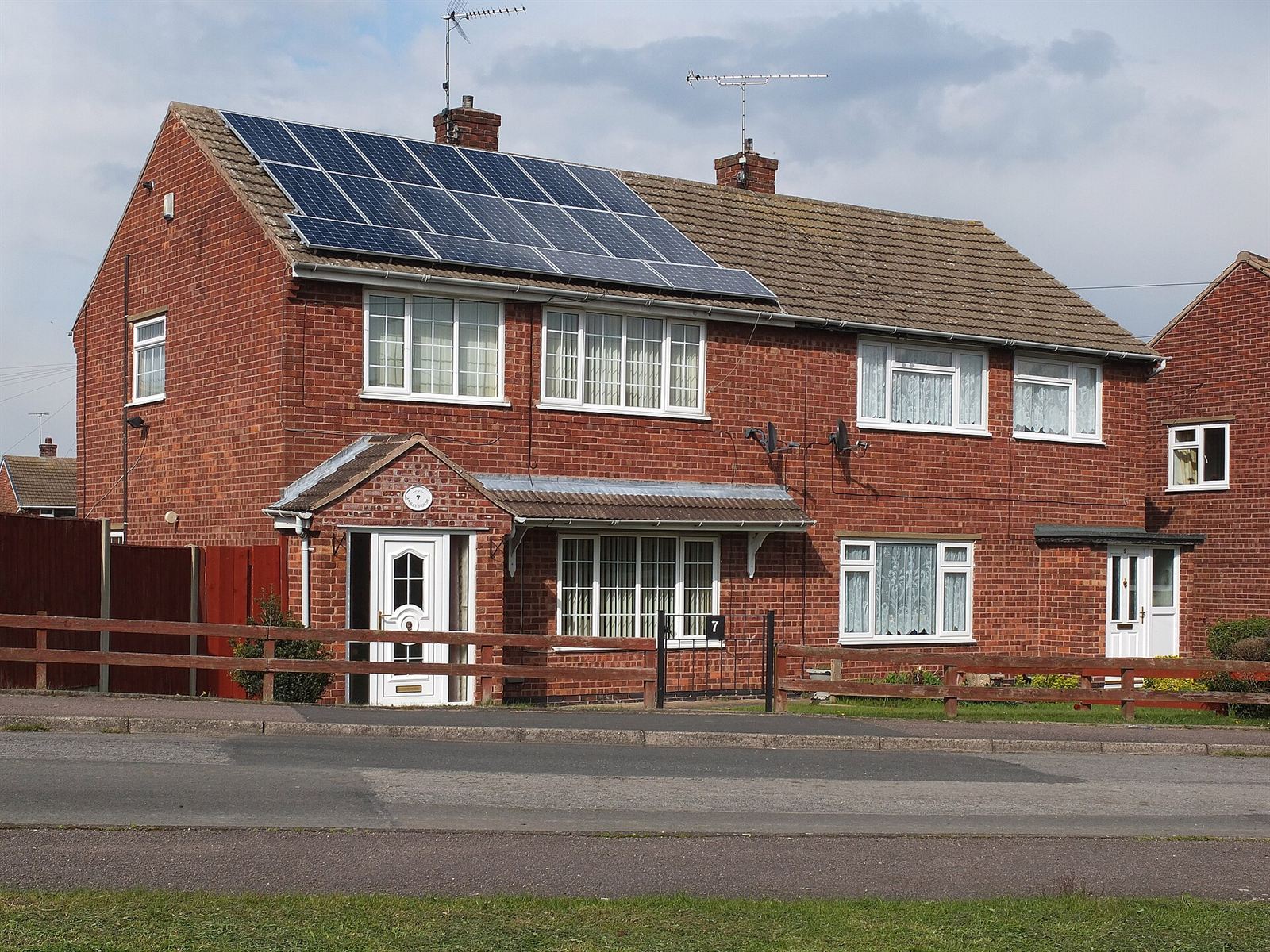
While many installations are on private roofs, the trend extends to larger community and commercial locations. High-profile examples from 2026 include major sports venues like the Principality Stadium and Ascot Racecourse. Retailers and food markets have also beenfitting panels to their rooftops to offset electricity demand.
Smaller community sites, such as local leisure centres, have also adopted the technology. These installations often combine solar panels with battery storage, allowing the facilities to store energy for later use. This helps these organisations save on running costs, which can then be reinvested into community projects.
What it means for you
- Households using solar panels can generate their own electricity, which may lead to reduced costs by lowering the amount of energy purchased from a supplier.
- If you are considering solar panels, you may want to look into government initiatives such as the Warm Homes Plan for potential support.
- The industry is moving toward higher standards for installations, and choosing certified MCS installers remains a way to ensure quality and consumer protection.
Where the reports differ: The government reported that over 270,000 installations have been completed, while Solar Energy UK stated that the final figure for the year could exceed 300,000.
Sources
This story is taken from the announcement below. Read it for the full detail.
- GOV.UK (Department for Energy Security and Net Zero): Sports stadiums and supermarkets drive 2026 solar revolution (20 Nov)
Spotted a mistake? Email us. This story is based on the reports above and its facts were checked against them; it is not financial advice.