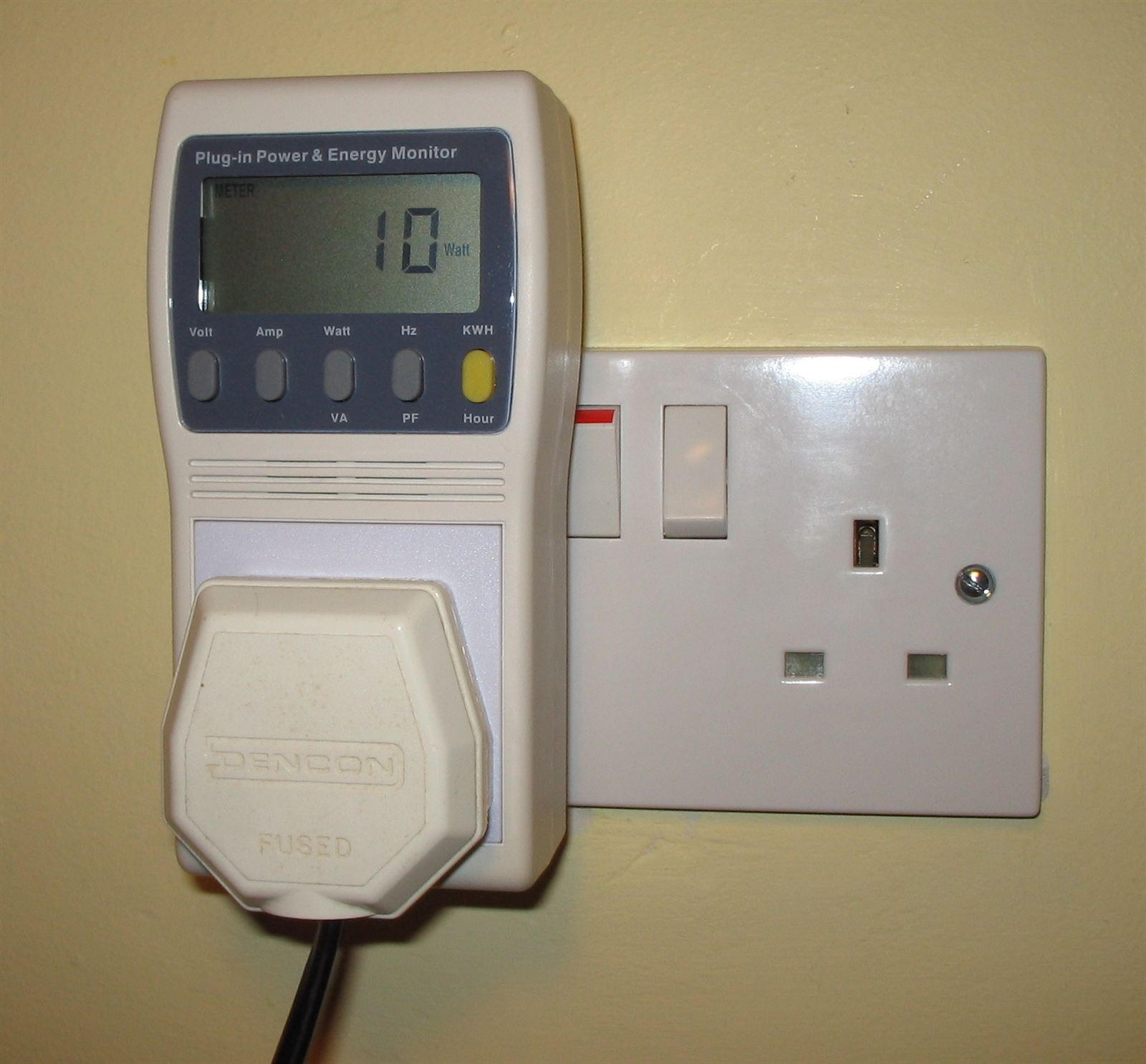
UK inflation rises to 3.6% as energy and fuel costs increase - what to know
Rising energy and fuel costs have pushed UK inflation to 3.6%, adding further pressure to household budgets as the Bank of England warns of potential future increases.
Key points
- UK inflation rose to 3.6% in October, up from 3.5% in September, as reported by the Office for National Statistics.
- Higher energy costs and motor fuel prices were the main factors driving the latest increase in the cost of living.
- The Bank of England has raised interest rates to 4% and expects inflation could climb toward 5% next year.
Official figures released by the Office for National Statistics show that UK inflation has risen to 3.6% for October. This marks the fourth consecutive monthly increase in the rate of inflation, which has been climbing steadily since hitting a low of 2.6% in June.
The rise has been primarily driven by higher energy bills and increased motor fuel costs, linked to supply shocks in the Middle East. Economists had previously forecast this 3.6% reading, which remains above the Bank of England’s 2% target.
Impact on energy bills
At the start of October, the regulator Ofgem increased its energy price cap by 4%. For households in England, Scotland, and Wales paying by direct debit, this change lifted the typical annual energy bill by approximately £60.
Forecasters have warned that energy costs could rise by as much as a quarter from January due to ongoing wholesale gas price volatility. The government has announced plans for a £100 winter handout intended for 20 million households.
Interest rates and future outlook
In response to rising prices, the Bank of England increased interest rates to 4% on 5 November. The Bank has suggested that inflation might reach 5% next year, and financial markets expect further interest rate hikes to be discussed at the next meeting in December.
Beyond energy and fuel, analysts noted that higher tobacco duty also contributed to the latest inflation figures. Weaker food price inflation provided a small offset to the overall increase.
What it means for you
- Most households will see higher costs for energy and fuel, though the government has pledged a £100 winter handout for 20 million households.
- Borrowing costs may increase further, as the Bank of England is considering additional interest rate rises to help manage the current economic climate.
- Energy bills for the typical direct debit customer have risen by roughly £60 annually following the Ofgem price cap change in October.
Where the reports differ: The Independent reported that data was published on Wednesday morning, whereas the provided source text for The Guardian and The Express does not specify this day.
Sources
We compared these reports before writing and checked every figure, date and name in this story against them. Read them for the full detail.
- The Guardian: UK inflation rises to 3.6% as energy prices increase (18 Nov)
- The Independent: UK inflation rises to 3.6% amid energy bill hikes (18 Nov)
- Daily Express: Blow for John Healey as inflation hits highest level in the last year (18 Nov)
Spotted a mistake? Email us. This story is based on the reports above and its facts were checked against them; it is not financial advice.